Myths and legends: the oak tree

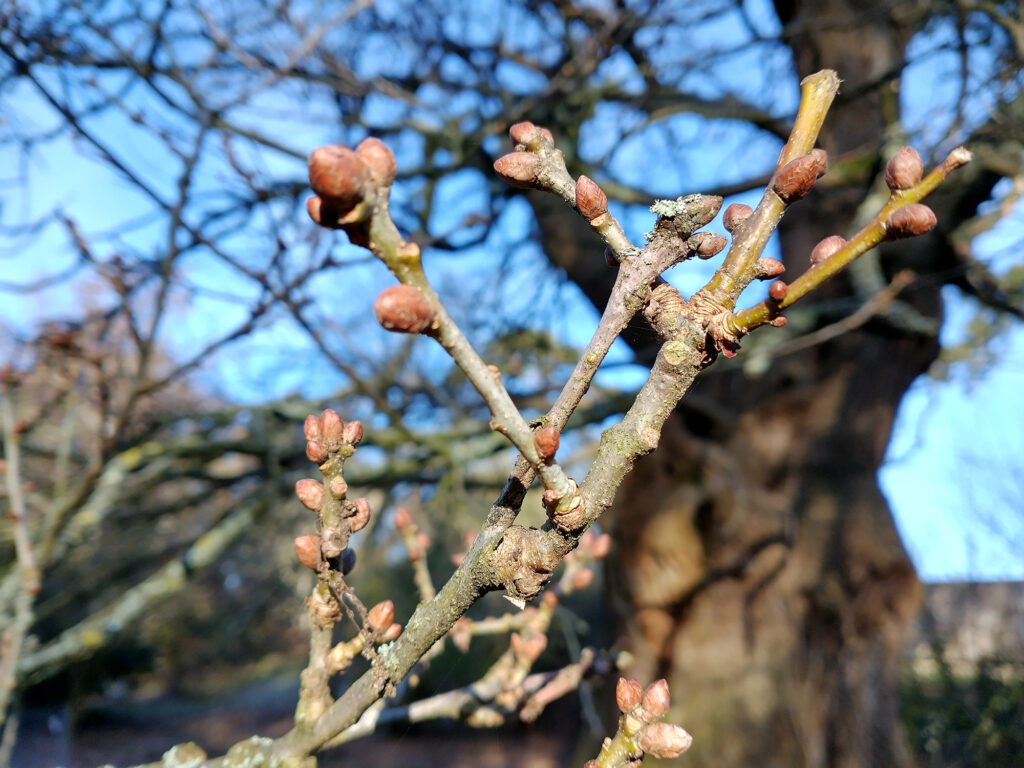
As winter loosens its grip and the first green buds appear in our arboretum, spring invites us to walk among the oaks and notice the quiet stirring of new life. These trees have long been central not just to the woodland landscape, but to British folklore and imagination.
One of the most enduring pieces of British folklore connected to spring and the woodland world is the tale of Herne the Hunter, a ghostly figure tied deeply to the oak woodlands of southern England.
According to old legend, Herne was once a keeper of Windsor Forest, serving under King Richard II. He gained his name after a terrible accident left him with antlers growing from his head he died and could not find rest. Folklore tells us that on misty spring nights, Herne haunts the oaks, his chains rattling and his shadow glimpsed among the branches. In William Shakespeare’s The Merry Wives of Windsor this eerie figure is mentioned as haunting the forest’s lone oak during winter‑time, long before the sap rises and leaves appear on the trees again.
The oak has always carried a sense of mystery and power. Sacred to the ancient druids, associated with thunder gods, and a symbol of endurance and renewal, the oak is particularly special in spring. As its buds swell and the first leaves emerge, you can almost feel the woodland waking. Old weather‑sayings capture this seasonal watchfulness: “If the oak before the ash then we’ll only have a splash; if the ash before the oak then we’ll surely have a soak.”
Walking among the oaks in the arboretum now, you can see why these trees became entwined with legend. Their strength, longevity, and the wildlife they shelter, from nesting birds to foraging deer, make them central to both our woodland ecosystem and our imagination. Perhaps, if you pause under a particularly grand oak on a misty spring morning, you might catch a hint of Herne’s presence, reminding us that the stories of the forest are as alive as the trees themselves.